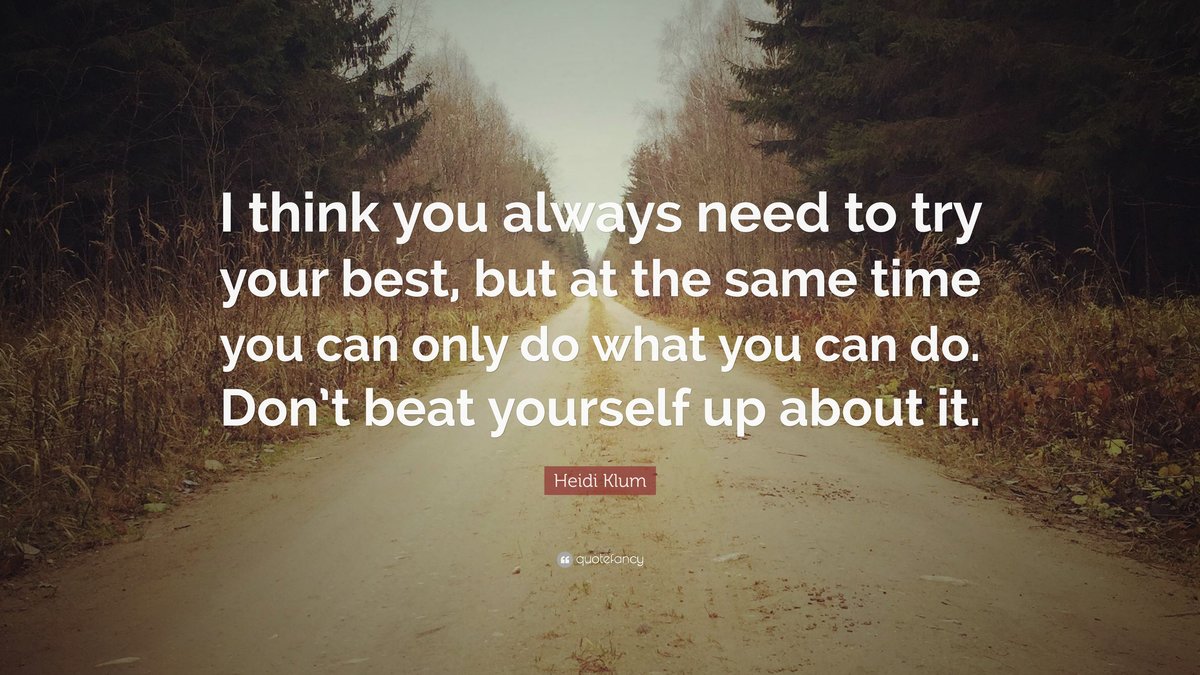
For the bigger picture and full context, make sure you read our main guide on Be Better Quotes: Inspiration to Become Your Best Self.
markdown
Ever felt stuck, unsure whether you’re truly putting in your all? Sometimes, all we need is a simple reminder, a powerful saying about trying your best, to reignite that inner drive and push us forward. These nuggets of wisdom, often passed down through generations, can be surprisingly effective in motivating us to give our utmost, regardless of the circumstances.
At a glance:
- Discover how sayings about trying your best can unlock your inner potential.
- Learn practical tips for maximizing your effort and minimizing excuses.
- Understand how embracing failure and persevering leads to personal growth.
- Find actionable steps to integrate these principles into your daily life.
- Define your own version of success through effort and self-satisfaction.
Why Sayings About Trying Your Best Still Matter
In a world obsessed with instant gratification and measurable outcomes, the simple concept of "trying your best" might seem outdated. However, its power lies in its focus on the process rather than solely on the result. It’s about the journey of maximizing your abilities, pushing your limits, and finding satisfaction in the effort itself. Sayings about trying your best cuts through the noise and reminds us that our choices and efforts truly define who we are. As Maya Angelou wisely said, "Do the best you can until you know better. Then when you know better, do better." This sentiment encapsulates the essence of personal growth - a continuous cycle of learning, adapting, and striving for improvement.
Maximizing Effort and Minimizing Excuses: A Two-Pronged Approach
Truly trying your best involves two critical components: maximizing your effort and minimizing excuses. These aren't mutually exclusive; they work in tandem to create a mindset of proactive responsibility.
- Maximizing Effort: This means identifying your strengths and weaknesses and focusing on leveraging your talents to the fullest. It also requires a growth mindset, acknowledging that abilities can be developed through dedication and hard work. Think of it as a continuous upgrade to your skills.
- Minimizing Excuses: This is about taking ownership of your actions and outcomes. Instead of blaming external factors, consider what you could have done differently and how you can improve next time. It's about shifting from a victim mentality to a proactive problem-solving approach.
Let's consider a practical example. Imagine you're working on a complex project at work with a tight deadline. Instead of complaining about the short timeframe (excuse), you break down the project into smaller, more manageable tasks, prioritize ruthlessly, and seek help when needed (maximizing effort).
Finding Peace of Mind, Regardless of the Outcome
One of the most profound benefits of truly trying your best is the peace of mind it brings. Knowing that you gave your all, regardless of the final result, allows you to accept the outcome with grace and move forward without regret. This doesn't mean you'll always succeed, but it does mean you'll always have the satisfaction of knowing you did everything in your power.
John Wooden, the legendary basketball coach, perfectly captured this idea when he defined success as "self-satisfaction in knowing you made the effort to become the best of which you are capable." It's not about winning every game; it's about consistently striving to improve and giving your best effort on every play. You can find A Dose of Inspiration in a wider collection of quotes to motivate you.
Regroup and Persevere: Learning From Setbacks
Setbacks are inevitable, even when you're trying your best. The key is to view them as learning opportunities rather than reasons to give up. Regrouping involves analyzing what went wrong, identifying areas for improvement, and adjusting your approach accordingly. Perseverance is the determination to keep going, even when the road gets tough. As Babe Ruth famously said, "You just can’t beat the person who never gives up."
Here's a simple framework for dealing with setbacks:
- Acknowledge: Accept that the setback happened without dwelling on it.
- Analyze: Identify the root causes of the setback. What could you have done differently?
- Adjust: Modify your approach based on your analysis.
- Act: Get back on track with a renewed sense of purpose.
Making it Practical: Tips for Integrating "Trying Your Best" into Your Life
The sayings about trying your best aren't just empty words; they are guiding principles for a fulfilling life. Here's how to integrate them into your daily routines:
- Set Realistic Goals: Break down large goals into smaller, more manageable steps. This makes the process less daunting and provides a sense of accomplishment as you progress.
- Embrace the Process: Focus on the journey, not just the destination. Enjoy the learning, the challenges, and the small victories along the way.
- Seek Feedback: Ask for constructive criticism from trusted mentors or peers. This can provide valuable insights and help you identify areas for improvement.
- Practice Self-Compassion: Be kind to yourself, especially when you make mistakes. Learn from your failures and move on without dwelling on them.
- Celebrate Small Wins: Acknowledge and celebrate your progress, no matter how small. This helps maintain motivation and reinforces positive behaviors.
The Power of Presence: Doing Your Best Today
Often, we get caught up worrying about the future or regretting the past. However, the best way to prepare for tomorrow is to focus on doing your best today. As H. Jackson Brown, Jr., aptly stated, "The best preparation for tomorrow is doing your best today." This sentiment underscores the importance of living in the present moment and giving your all in whatever you do. This mindset allows you to eliminate distractions, stay focused, and maximize your potential in the present.
Redefining Success: It Begins With Effort
Society often equates success with external achievements like wealth, fame, or power. However, true success starts from within. It is found in the self-satisfaction of knowing you did your best. Success is not solely about climbing high, but instead about making a difference and is not final. The most important thing is having the courage to keep going. As Henry Ford put it, "Believe in the best…try your best, and in the long run things will turn out for the best."
Quick Answers: Common Questions About Trying Your Best
Here are a few common questions and misconceptions about trying your best:
Q: What if my "best" isn't good enough?
A: Your "best" is relative to your current abilities and circumstances. It's about consistently striving to improve and maximize your potential, not about achieving perfection. Focus on continuous improvement, and your "best" will naturally evolve over time.
Q: How do I stay motivated when I'm not seeing results?
A: Focus on the process, celebrate small victories, and remind yourself of your "why." Remember why you started in the first place and what you hope to achieve. Seek support from mentors or peers to stay motivated during challenging times.
Q: What if I don't know what my "best" is?
A: Experiment, explore different activities and approaches, and seek feedback from others. Pay attention to what you enjoy and what you're good at. Over time, you'll develop a clearer understanding of your strengths and potential.
Q: Is it okay to ask for help?
A: Absolutely! Asking for help is a sign of strength, not weakness. It demonstrates that you're willing to learn and grow, and it can often lead to better outcomes and allows you to focus your efforts where they're needed most.
Your Personal Playbook: A Quick-Start Guide To Giving It Your All
Ready to integrate the power of sayings about trying your best into your daily life? Here's a quick action plan:
- Identify a Goal: Choose one area of your life where you want to improve.
- Define Your "Best": What does "trying your best" look like in this context? Be specific and measurable.
- Create a Plan: Break down your goal into smaller, manageable steps.
- Take Action: Start working towards your goal, focusing on maximizing your effort and minimizing excuses.
- Reflect and Adjust: Regularly assess your progress, learn from setbacks, and adjust your approach as needed.
- Celebrate: Acknowledge and celebrate your progress, no matter how small.
Trying your best is not a one-time event; it's a continuous journey of self-improvement and growth. By embracing the principles outlined above, you can unlock your inner potential, find peace of mind, and achieve your full potential.